THE POP-UP YEARS (2021–2023)
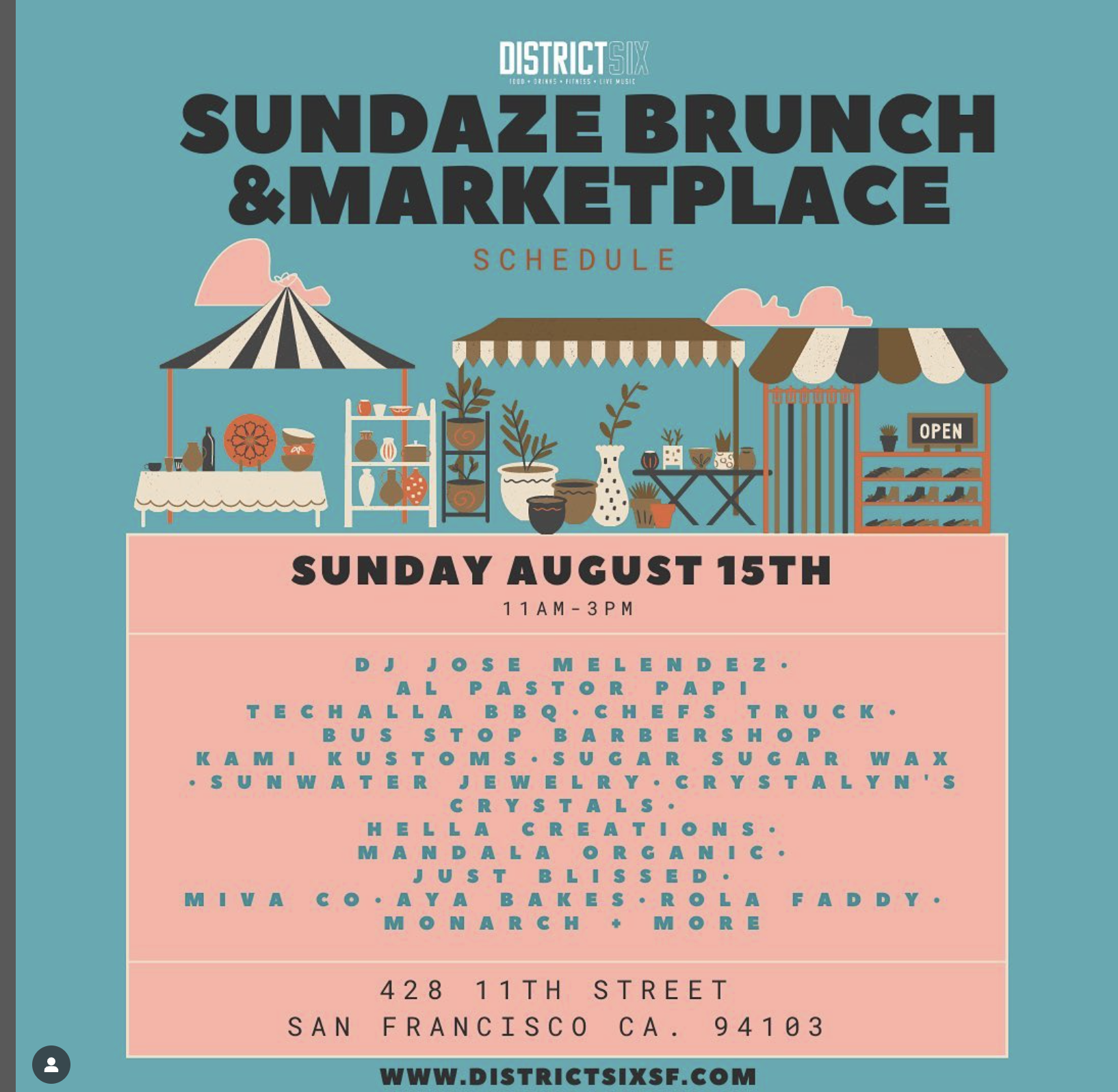
From 2021 through 2023, we ran our operation like an indie label out the trunk, three pop-ups a year, every year, in whatever spaces would have us. Music events. Car shows. Street fairs. Small markets. Retail collabs. Anywhere we could bring the clothes, the mission, and the story directly to people.
This is the era where Miva Collective learned how to be a brand.
The Setup:
Our booth never looked like a typical vendor booth.
It wasn’t just racks and a table. We built an experience:
- A banner with the original logo
- A spinning prize wheel for discounts and free items
- A merch layout that looked curated, not cluttered
- Music blasting from DJ gear or portable speakers
- A vibe that felt like a traveling creative hub
People didn’t just walk by,they stopped, they hung around, they talked, they played the wheel, they asked questions, they connected.
We learned quickly that we weren’t selling apparel.
We were building a community.
Every pop-up proved the same thing:
Tie-dye tees? Gone.
Crewnecks? Gone fast.
The teal crewneck? Always the favorite.
Women’s fuzzy-pink varsity patch crewneck? Gone every time — and never restocked.
People loved the hoodies. Loved the colorways. Loved the left-sleeve embroidery.
But more than the clothes, they loved the message.
The affirmations.
The mission.
The whole “music + wellness” identity forming in real time.
People would put a crewneck back on the rack, then pick it up again after reading the tag.
Those small statements mattered more than we expected.
Some pop-ups felt like mini therapy sessions.
People opened up. A lot.
They told us about the hardest years of their lives.
They told us how much music helped them get through it.
They told us the slogan “Music Speaks Volumes” made sense because they lived it.
They told us why they loved the purpose behind the brand.
They told us the affirmations hit
We knew then that Miva Collective was more than apparel, it was reflection, connection, and much more.
This was the era when strangers felt like collaborators.
People didn’t just buy; they shared their story.
And that shaped how we moved from that point forward.
The Pop-Up
Online sales barely existed.
A checkout system that literally didn’t work for a year.
Social media still small.
So the only place the brand could live was in person, and it thrived there.
What we learned at pop-ups:
- In-person storytelling matters more than anything.
- People resonated with wellness messaging without us forcing it.
- Music culture made the mission feel familiar, not preachy.
- People wanted a brand with purpose, not a brand chasing trends.
- The community was already there — we just needed to meet them.
This was the turning point where we realized the brand wasn’t niche.
It was relatable.
Pop-ups looked good from the outside, but behind the booth was a lot of weight:
- transporting heavy inventory alone
- setting up by yourself
- loading and unloading multiple times a day
- financial strain after a slow pop-up
- risking money with no guarantee of return
- learning how to merchandise from scratch
- no external marketing
- no team
Everything depended on effort.
There were weekends we left exhausted.
There were weeks we couldn’t restock because money needed to go toward basic life expenses.
There were moments we questioned if we could keep going.
But we kept going anyway.
Because every conversation, every person who resonated with the message, every spin of the wheel reminded us the mission was real.
The Music
Some of the best pop-ups were at:
- music events we were DJing
- car shows where the culture was multigenerational
- retail collabs with shops that understood the vision
- creative markets that cared more about story than hype
In those spaces, everything clicked.
People didn’t just buy clothing, they understood the brand.
The overlap of music, cars, culture, mental health, and personal expression wasn’t accidental.
It was the foundation forming right in front of us.
And the more we showed up, the more it all made sense.
To grow the brand identity, we gave away a ridiculous amount of merch.
Winners reposted us, spread the mission, and shared what the pieces meant to them.
Looking back, if we had this editorial platform back then, the entire early era would’ve had a home. The pop-ups, the story, the purpose, the visuals. It would’ve made the brand clearer, earlier.
But growth is messy.
Brands mature the way people do.
Through mistakes, misalignment, and figuring things out publicly.
The important part is that we kept showing up.
And the community did too.