The Miva Day Experience 2024
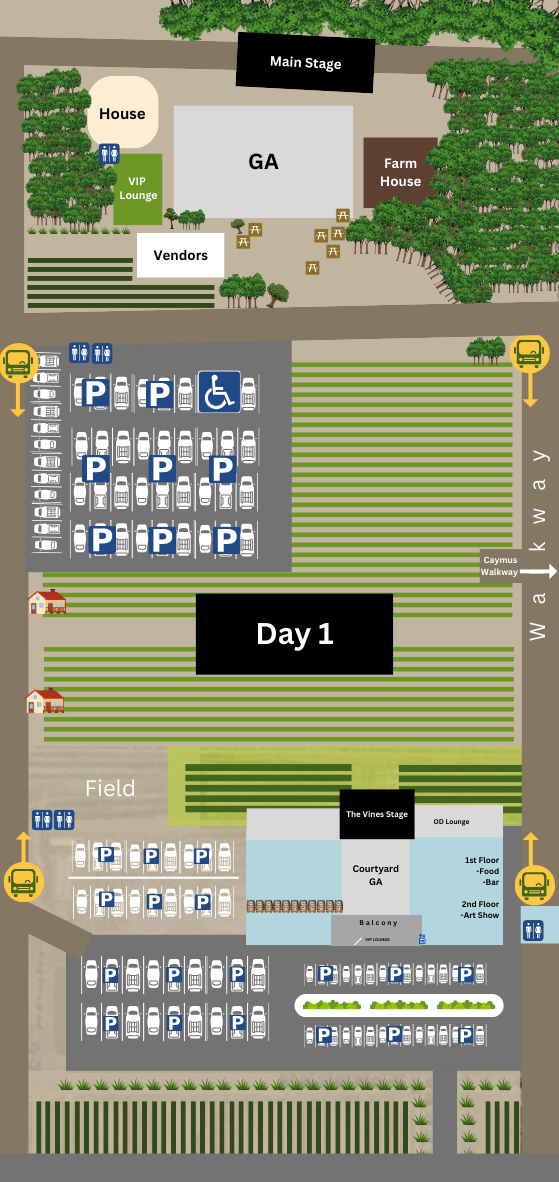
When we began designing the experience for Miva Day, the intention was simple: create a festival that actually feels like its location. We wanted to embrace the full landscape of Village 360 and BackRoad Vines, with music, food, art, and community woven directly into the environment.
Entry
The first thing guests would see wasn’t a gate or a merch booth. It was the view: vineyards in every direction, the signature Village 360 architecture, and a sense that the festival wasn’t built on top of the land, but designed around it.
Parking led directly into the main structures of the venue, clean sightlines, open air, and space to breathe. Before check-in, BackRoad Vines held a bold MIVA DAY lettering installation where guests could take photos with the valley as the backdrop.
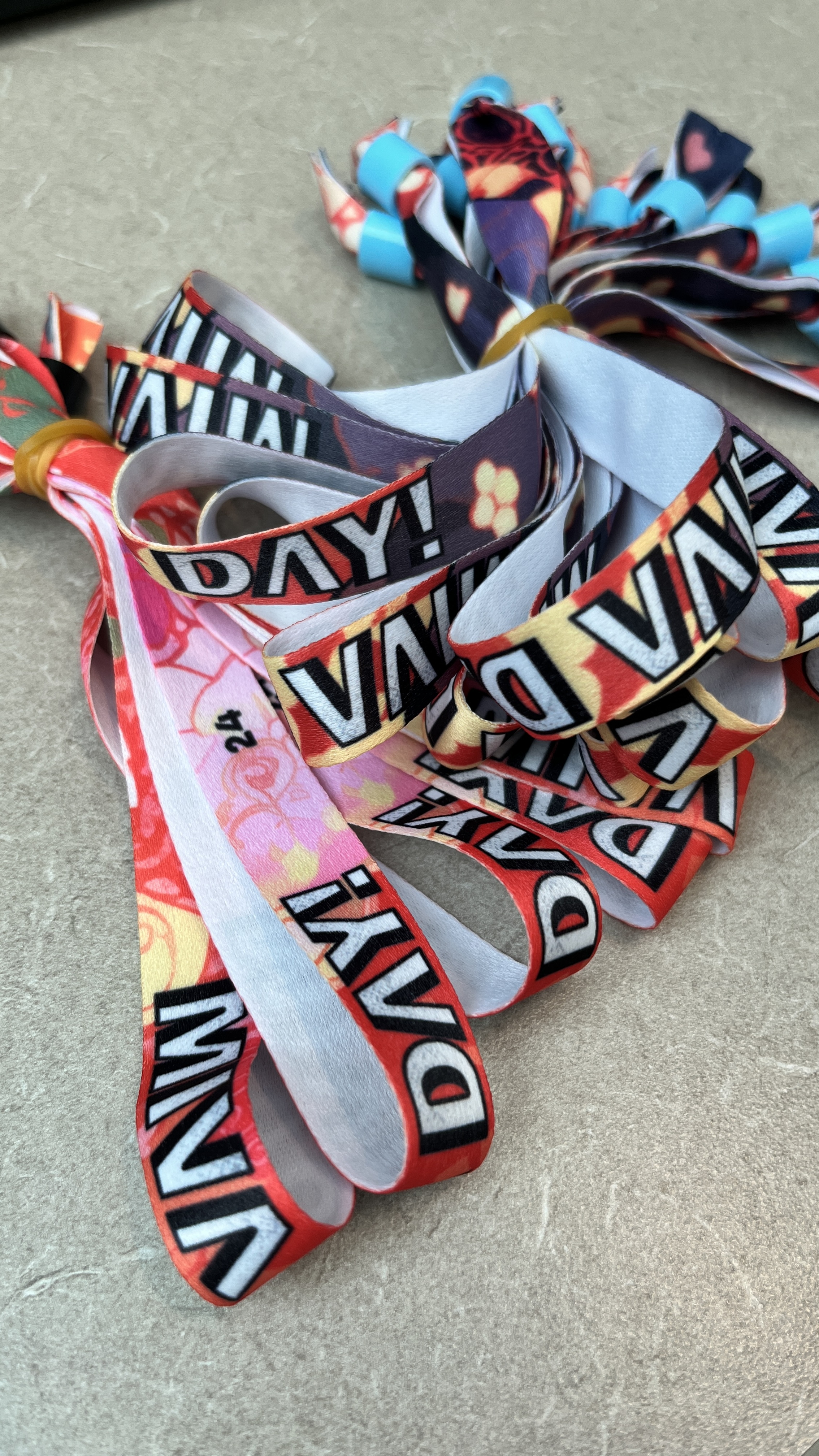
Check-in was straightforward: wristbands for GA and VIP, picked up before entering the grounds.
Two Stages, Two Experiences
The festival design split into two sides, each serving its own purpose.
Music Speaks Volumes: Main Stage (Village 360)
This is where the live bands performed. The stage was framed by the vineyard horizon, giving each set a natural backdrop that shifted with the sun throughout the day. Sunset became its own performance, warm light settling behind the artists, the kind of view you can’t fabricate.
Keep Going Stage — BackRoad Vines
This side was curated for DJs and solo performers. More movement, more energy, tighter crowds. Designed to feel like a different part of the festival instead of a smaller version of the main stage. Crossing between the two sides meant walking through actual grapevines, something most festivals can’t offer because they’re not built into agricultural land.
People weren’t just wandering from set to set.
They were literally walking through the valley.
That was the point.
Shuttles:
Anyone who’s ever walked a vineyard knows the distance feels short until you actually start doing it. That’s why we built a shuttle loop between Side A and Side B, express-only, running every 5–10 minutes.
Powered entirely by Tesla Model Y seven-seaters or Express Train, the shuttle system wasn’t a gimmick. It was a practical solution for heat, accessibility, and comfort, especially for guests with ADA needs, families, or anyone carrying bags, food, or merch.
A shuttle pass was obtained through a donation at our water/information booths, with proceeds supporting mental health and youth-advancement programs. No drinking in the Teslas, no wild behavior, only a clean, respectful ride between the two sides of the festival.
Simple. Efficient. And genuinely helpful.
Food, Wine & Vendors
Village 360 handled all food and beverage operations through their main hub, something that gave the entire festival a consistent culinary experience.
The lineup included:
- brick-fired pizzas
- sliders
- handheld bites
- curated beverages
- Village 360 wine and specialty options for VIP attendees
Vendor curation leaned into artisan goods, creative makers, wellness booths, community partners, and safety-oriented booths. It was a mix that made sense: local craftsmanship, small businesses, and festival essentials without the usual clutter.
Parking
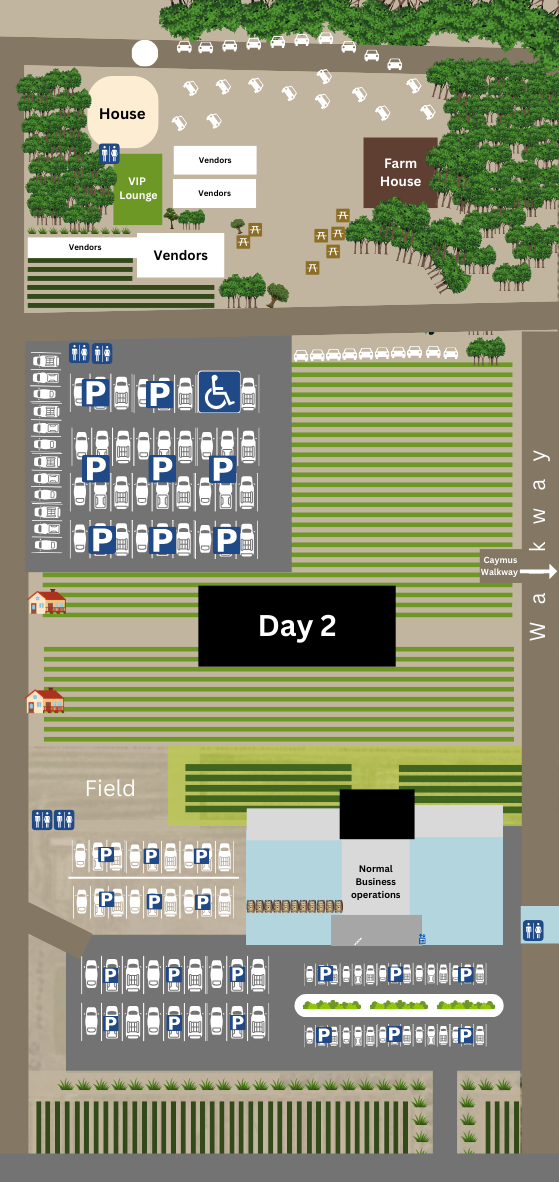
Both general and ADA parking were placed in accessible areas on each side of the grounds. Volunteers in festival vests directed guests through designated routes, while information booths helped guide people to the correct entrances, wristband lines, shuttle stops, and restrooms.
The venue has its own infrastructure, but the festival required additional structure, cones, signage, direction teams, and clear communication. The goal was simple: keep it smooth, keep it intuitive.
Day One: Music Festival
- Gates open: 10:00 AM
- First performance: 11:50 AM
- Headliner at sunset (~6:00 PM)
- Final set ends: ~7:15 PM
Day Two: Car Show
- Roll-in: 7:00 AM
- Show begins: 8:00 AM
- Judging: 11:00 AM
- Awards: 4:00 PM
- Music running throughout
Each day had its own identity: one centered on live performance, one centered on the automotive art of the region.
Community
The moment logistics went live, the response was immediate.
Sponsors, vendors, and businesses reached out wanting to join, Ford Fairfield, Chevrolet, and multiple press outlets included. Car clubs expanded their participation. Artists confirmed flights. Local and regional partners stepped forward.
Purpose
The mission was never to create a festival that felt like everything else.
It was to build something that reflects the valley, respects the land, and advocates for the causes we stand behind: mental health, youth advancement, and community connection through music, art, and culture.
And part of doing that responsibly meant:
- water stations throughout the grounds
- strategically placed security
- respecting the grapevines
- training volunteers from local high schools and youth programs
- giving those volunteers hours toward their community work
- safety &.first responders
T
he experience was meant to feel natural, safe, and rooted.
A festival where people of different communities, music lovers, families, car builders, artists, locals, could meet in one place and feel like it belonged to all of them.
Because that’s what Miva Day was built for.