How what you eat shapes how you feel
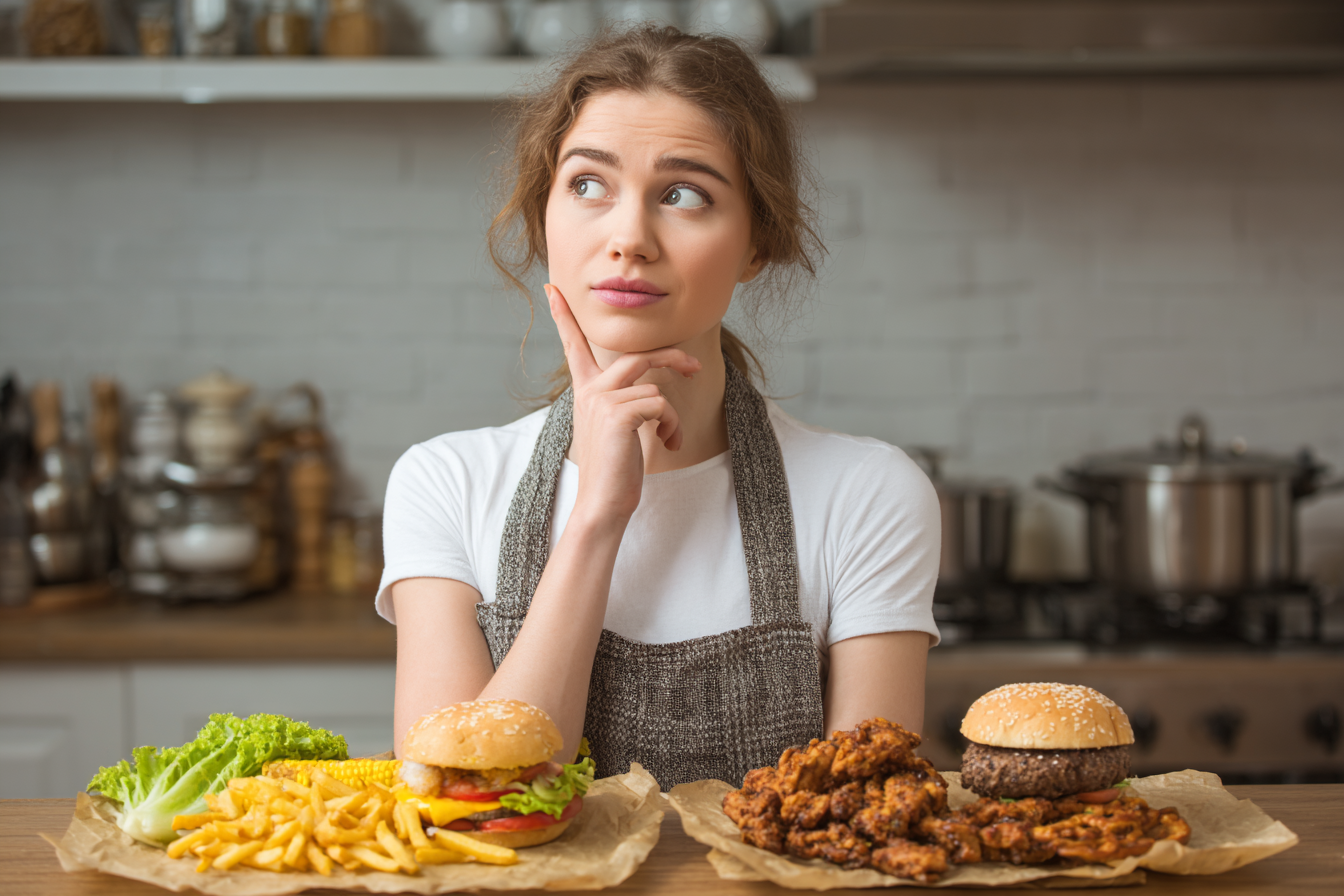
Most people don’t connect what they eat with how they feel emotionally. We tend to separate food from mood, energy, and mindset. But the truth is, these systems are constantly talking to each other, whether we’re paying attention or not.
This isn’t about eating “perfect.”
It’s about understanding how food can support energy, clarity, and emotional balance.
Food doesn’t replace therapy, medication, or professional care. But it can help create a more stable foundation for your nervous system, and your energy levels.
Why Food Affects Mood
Your brain is one of the most energy-demanding organs in your body. It relies on a steady supply of fuel to regulate emotions, focus, and stress responses. When that fuel is inconsistent, or heavily processed, it can show up as:
- Irritability
- Anxiety-like symptoms
- Brain fog
- Low motivation
- Emotional ups and downs
A few key systems connect food and mental health:
Blood sugar regulation
When blood sugar spikes and crashes, your body releases stress hormones like cortisol and adrenaline. For many people, this can feel exactly like anxiety, racing thoughts, shakiness, irritability, or sudden fatigue.
The gut–brain connection
Your gut and brain communicate constantly through nerves, hormones, and immune signals. In fact, a large portion of serotonin (a neurotransmitter involved in mood) is produced in the gut. What you eat influences gut health, which in turn affects how you feel mentally.
Inflammation
Chronic inflammation has been linked to depressive symptoms and low mood. Diets high in ultra-processed foods and low in whole foods may increase inflammation over time.
None of this means food “causes” anxiety or depression, but it can either support or strain your system.
Food as Support, Not Control
A lot of wellness messaging turns food into a moral issue, good vs. bad, clean vs. unhealthy. That approach often creates more stress, not less.
A more helpful lens is this:
Food is information.
It sends signals to your body about safety, energy availability, and stability.
For many people, mental balance improves when meals include:
- Protein → supports steady energy and neurotransmitter production
Examples: eggs, chicken, tofu, beans, lentils, yogurt - Healthy fats → support brain structure and hormone function
Examples: salmon, sardines, olive oil, avocado, nuts, seeds - Complex carbohydrates → provide consistent energy and support serotonin production
Examples: rice, oats, potatoes, fruit, whole grains - Fiber-rich foods → feed gut bacteria linked to better mood
Examples: vegetables, beans, berries, whole grains
This isn’t a strict formula. It’s a flexible framework.
Why Diets Aren’t One-Size-Fits-All
Some people feel great eating three structured meals a day. Others do better with smaller, more frequent meals. Some are highly active. Some work long shifts. Some are managing anxiety, depression, or both.
The “best” diet is the one that:
- Fits your lifestyle
- Supports your energy
- Feels sustainable
- Doesn’t increase stress
Research consistently shows that balanced, whole-food eating patterns, like Mediterranean-style diets, are associated with better mental health outcomes. Not because they’re trendy, but because they emphasize variety, consistency, and nourishment over restriction.
What This Looks Like in Real Life
On a busy day, balance might look like:
- Eating something before caffeine
- Adding protein to a snack
- Choosing a full meal instead of pushing through hunger
On a festival or long workday, it might mean:
- Planning ahead with simple foods
- Staying hydrated
- Avoiding long stretches without eating
Food Isn’t the Whole Picture
Mental health is complex. Stress, trauma, sleep, movement, relationships, and environment all play major roles. Nutrition is one piece, but it’s a piece that’s available to most people every day.
Supporting your body with consistent nourishment can make emotional regulation feel less like a constant uphill battle.
Try This
- Try eating protein within a few hours of waking up and notice how your energy feels.
- Add one whole food to a meal you already eat (fruit, vegetables, beans, nuts).
- If you drink coffee, try having food first and see if anxiety feels different.
- Notice patterns. Pay attention to how certain meals affect your mood later in the day.
Small shifts count.
Sources & Further Reading
- Harvard Health Publishing — Diet and depression
https://www.health.harvard.edu/blog/diet-and-depression-2018022213309 - National Institutes of Health (NIH) — Nutrition and mental health
https://www.ncbi.nlm.nih.gov/pmc/articles/PMC5449130/ - American Psychological Association — Food and mood
https://www.apa.org/monitor/2014/11/food - Mayo Clinic — Gut health and mental health
https://www.mayoclinic.org/digestive-health/art-20421302